
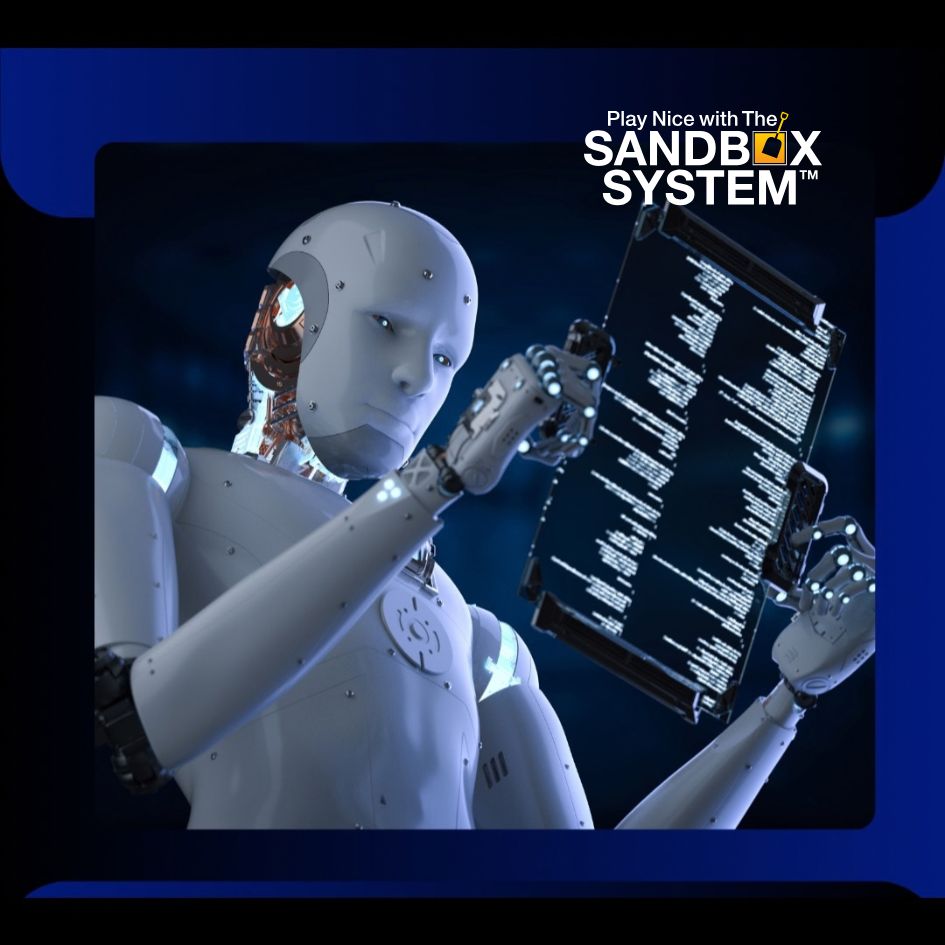
AI is changing the workplace quickly. While we’re talking about productivity, efficiency, and what AI can do for us, there’s another question leaders need to be asking: What happens when AI starts doing the work that used to teach people how to lead?
A September 2026 Talogy survey of 207 senior HR, talent acquisition, and learning and development professionals found that 78% are concerned about the long-term loss of critical leadership skills. As AI takes on tasks traditionally performed in entry-level roles, employees may have fewer opportunities to develop those skills naturally through experience.
That matters because leadership isn’t learned from a textbook; it’s learned through experience.
Leadership is:
- learning how to solve a problem when the answer isn’t obvious.
- navigating disagreement with a colleague.
- receiving difficult feedback.
- making a mistake and figuring out what to do next.
- learning how to communicate with someone who sees the world differently than you do.
Those everyday experiences build judgment, resilience, empathy, communication, and the ability to navigate conflict — all essential leadership skills.
So, what can AI do for us?
AI can help us work faster. It can help us analyze information, generate ideas, and take some tasks off our plates. Although, it cannot replace the human experiences through which leadership develops!
So as leaders redesign work around AI, we also need to redesign how we develop people. Give emerging leaders opportunities to make decisions:
- Let them wrestle with complex problems.
- Create space for meaningful feedback and coaching.
- Let them participate in difficult conversations instead of always stepping in to solve them.
- Give them opportunities to work through conflict — because conflict, when handled well, can be one of our greatest teachers.
How should we work with AI?
The goal isn’t to keep people doing work simply because “that’s how we’ve always done it.”
The goal is to make sure that as AI changes what people do, we remain intentional about how people develop.
If you’re thinking about how AI is changing the way your people work — and how it may be changing the way your future leaders develop — let’s talk.
Noticing strain, silence, or recurring friction on your team? Start a confidential conversation.
We can explore what you’re seeing in your organization, where the gaps may be, and what practical next steps could look like. We may be automating some of the work, but let’s not accidentally automate away the experiences that create our next generation of leaders.
Best,
Penny